Consumer Cable Technology & Articles From Around the World
- 2026-09-10 How to Verify a USB-C Cable Is Really USB4 40Gbps: E-Marker, TID and the USB-IF Product Search Verify a USB4 40Gbps cable with E-Marker readout, its TID certificate and the USB-IF product search, including missing public listings.
- 2026-09-10 "HDMI Certified Factory" Doesn't Exist: What Adopter, ATC and Ultra High Speed Each Actually Certify Distinguish HDMI Adopter licensing, ATC test confirmations and cable certification, and verify exactly what Tonetron holds.
- 2026-09-10 Four Kinds of Chinese Cable Sellers: Source Factory, Trading Company, Platform Operator, Brand Contract Manufacturer — and How to Tell Them Apart Compare four types of Chinese cable sellers: source factories, trading companies, platform operators and brand contract manufacturers, with checks for each.
- 2026-09-09 MFi Is Certified per Product, Not per Factory: What to Ask For When Sourcing Lightning and USB-C Cables for Apple Devices MFi certification applies to specific product models. Ask for the PPID, check Apple’s public accessory search, and distinguish product certification from a manufacturing license.
- 2026-09-09 What Should Be on a Cable Quotation: Reading an FOB Unit Price Line by Line Read cable quotations line by line: compare conductors, shielding, plating, tooling, packaging and testing alongside MOQ and payment terms.
- 2026-09-09 What Actually Determines MOQ for Custom Cables — and When It Can Be Lower How changeover waste, connector molding and packaging determine custom cable MOQ, and when an existing platform allows a smaller order.
-
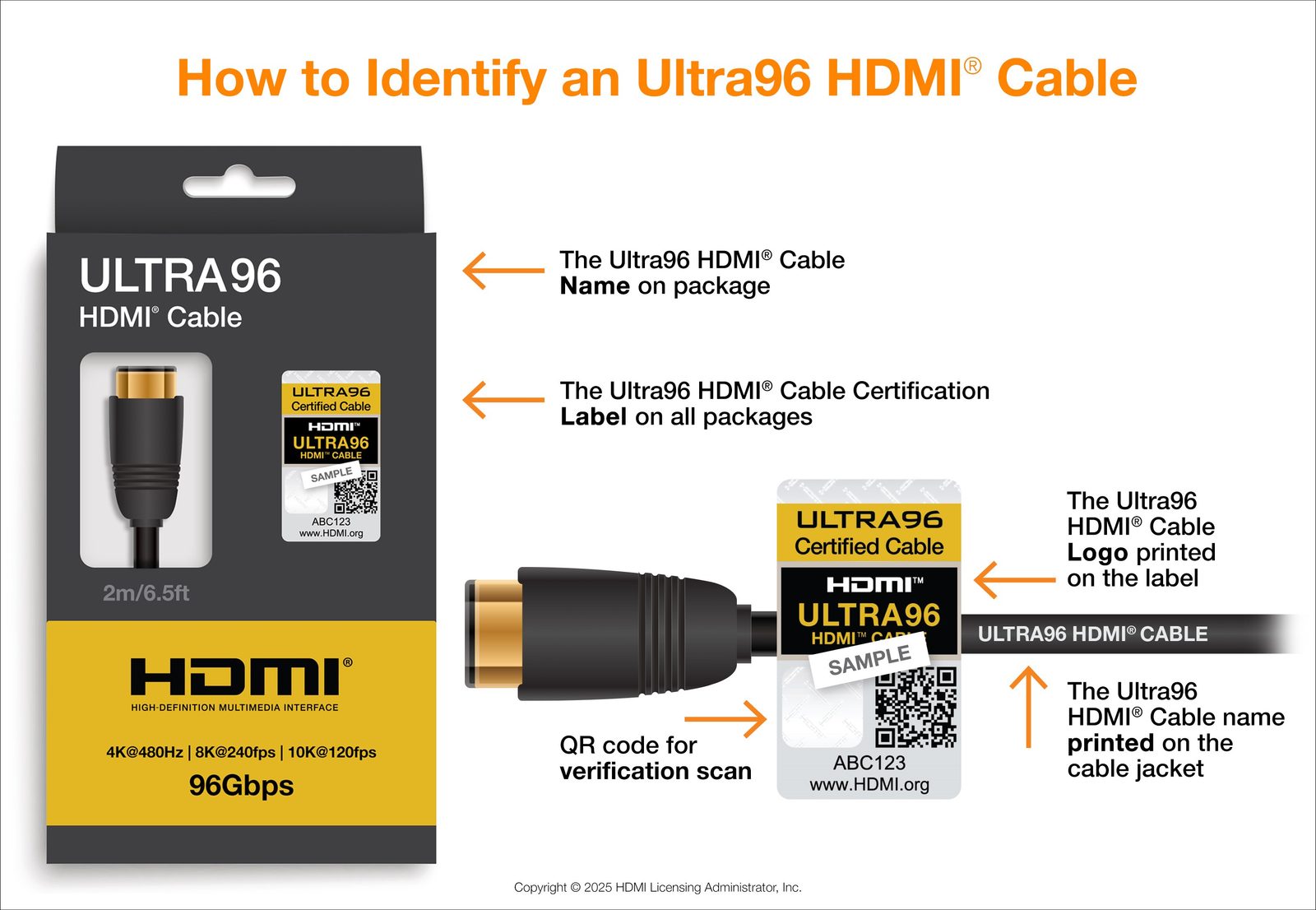 2026-09-02 Ultra96 HDMI® Cable Certification: What Buyers Should Ask For, and Where Our Samples Stand The HDMI Forum released version 2.2 of the HDMI specification in June 2025, and the cable that goes with it has an official name: Ultra96 HDMI Cable. This is what certification actually requires, what buyers should ask a supplier for, and where our own submitted samples stand.
 - 2026-08-24 HDMI Forum ATC & USB-IF Certifications — Certificate Numbers You Can Verify Yourself Tonetron (Dongguan Taitron Electronic Limited) holds HDMI Forum ATC test confirmations and a USB-IF USB4 certification. This page lists every certificate number, the tested part number, the specification version and the test centre, so a buyer can verify each claim independently instead of taking our word for it. It also documents the in-house cable test equipment we run before samples ever reach an external lab.
-
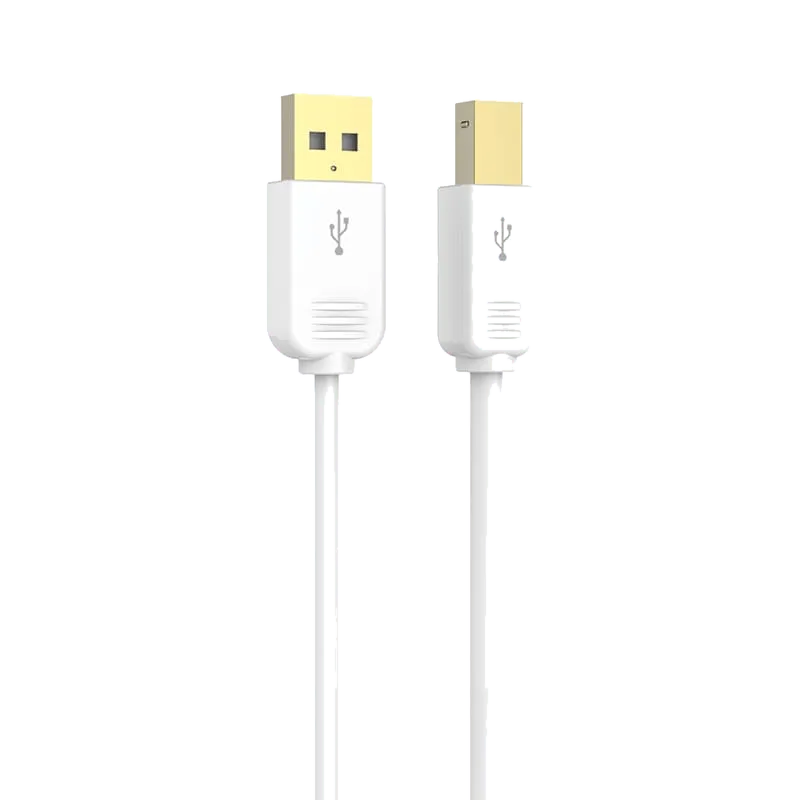 2026-08-02 How to Choose a USB Cable: B2B Sourcing Guide A practical guide to selecting the right USB cable for your application—from printer connections to high-speed data transfer. Covers USB 2.0 and 3.0 standards, connector types, and how Tonetron supports OEM/ODM custom cable solutions.
 -
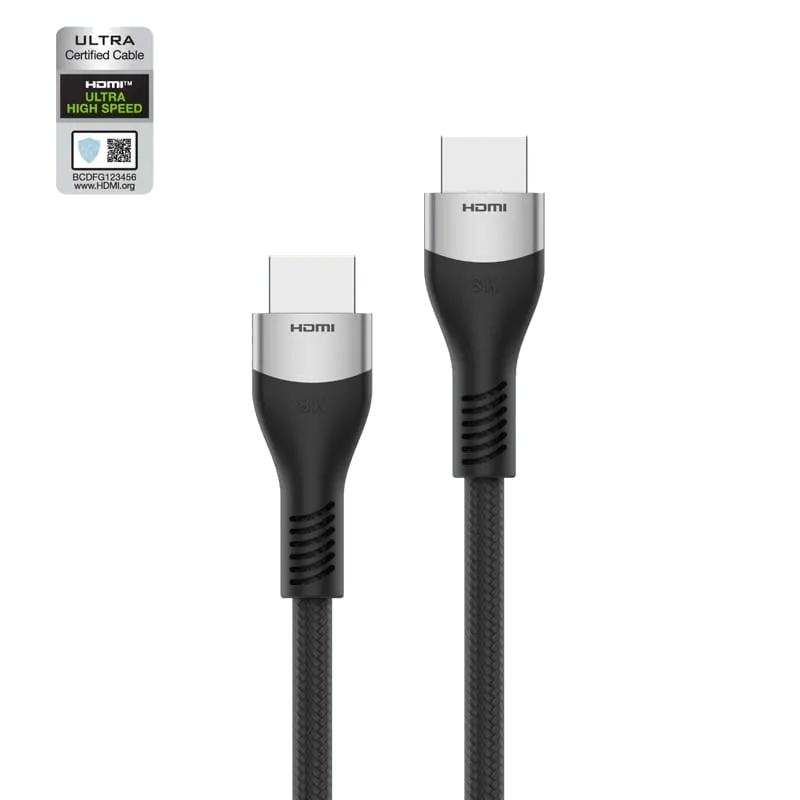 2026-08-01 How to Tell a Real Cable Factory From a Trading Company: A Buyer's Checklist Most suppliers who describe themselves as factories on B2B platforms are trading companies. This checklist sets out nine concrete, verifiable checks a buyer can run before placing an order — each one is something a manufacturer can answer from its own records and a reseller cannot.
 -
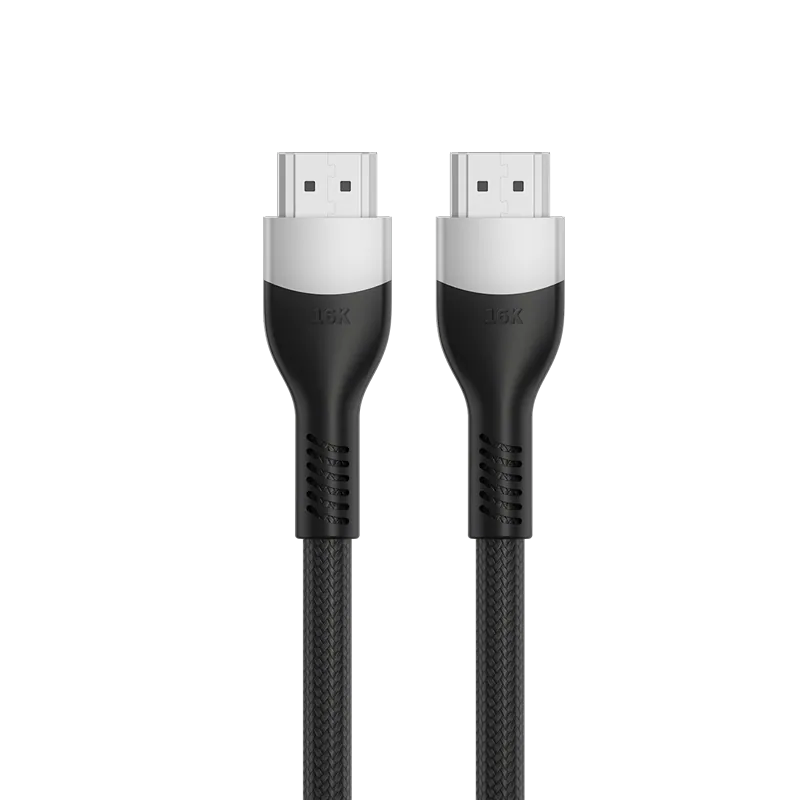 2026-08-01 HDMI 2.1 vs HDMI 2.2: 48Gbps, 96Gbps, and What 8K and 16K Actually Need HDMI 2.2 was announced at CES 2025 and doubles available bandwidth to 96Gbps. This guide works through the bandwidth each resolution and refresh rate actually consumes, what changes at the cable level, and how to verify that a cable is certified rather than merely labelled.
 -
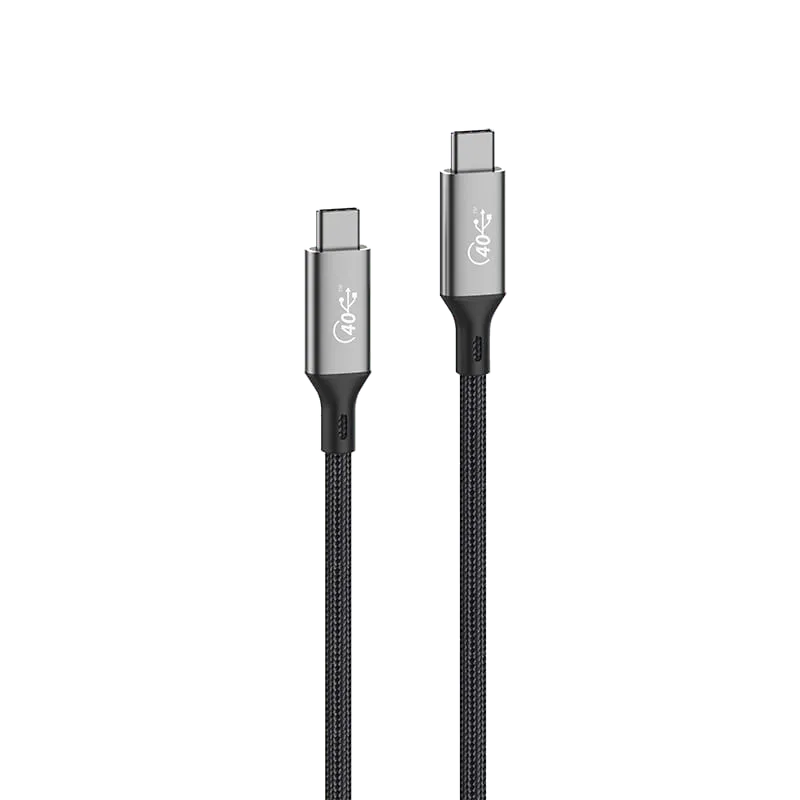 2026-08-01 What a 240W USB-C Charging Cable Actually Requires (USB PD 3.1 EPR) A cable printed "240W" is not a 240W cable unless its E-Marker declares the right values and its conductors can carry 5A without excessive drop. This guide sets out what USB PD 3.1 Extended Power Range actually requires and how to verify a supplier's claim.
 -
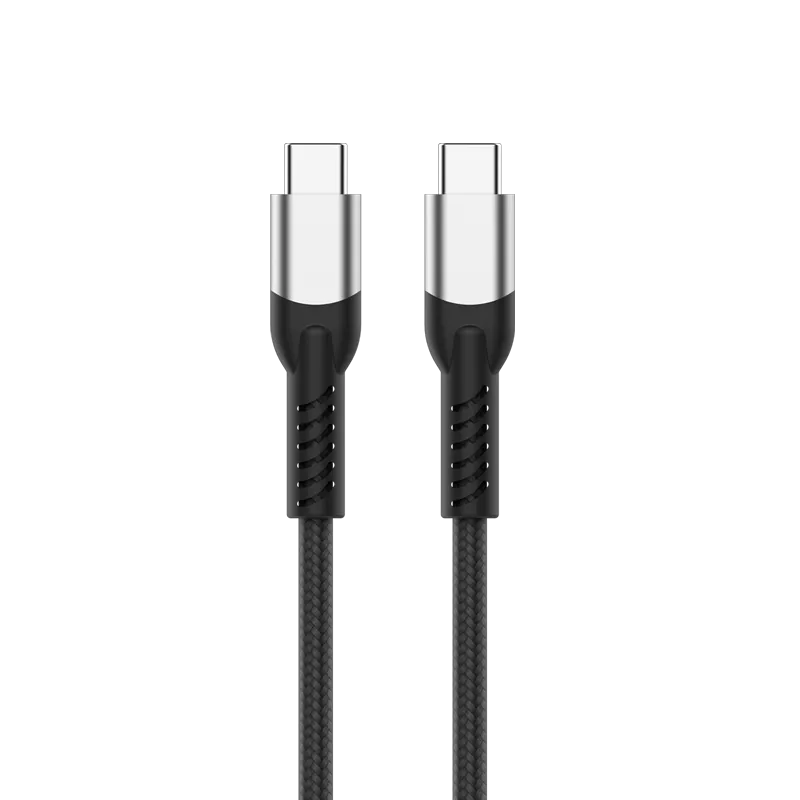 2026-08-01 USB-C Cable Bandwidth Explained: 40Gbps, 80Gbps and 120Gbps The three numbers you see on USB-C data cables map onto two USB standards, not three. This guide explains what 40Gbps, 80Gbps and 120Gbps actually refer to, why 80 and 120 describe the same cable, and the physical requirements a cable must meet to carry each rate.
 -
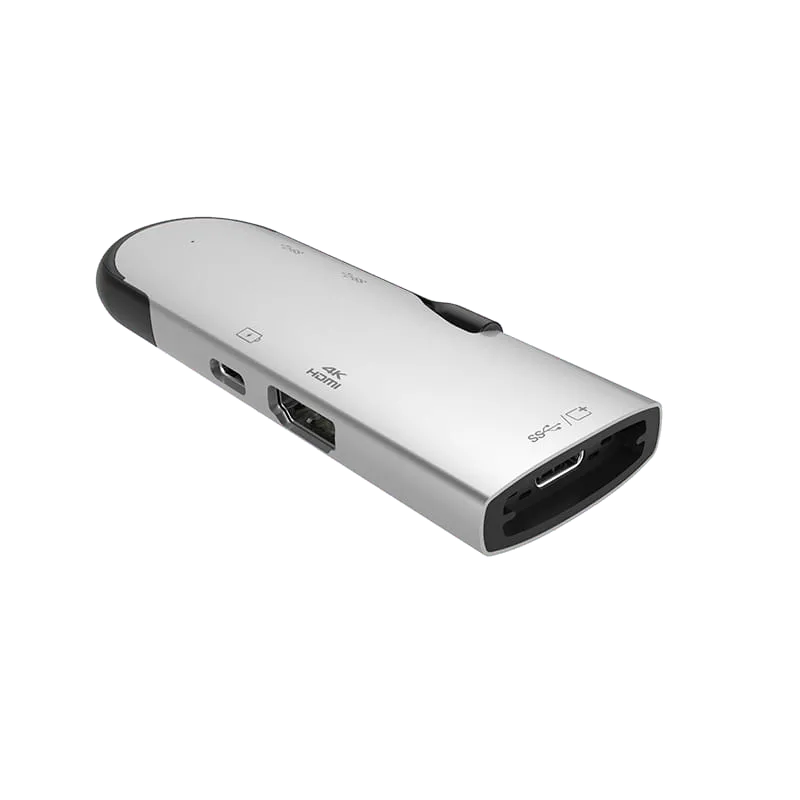 2026-07-24 Private Label & Custom Cable Packaging FAQ How OEM/ODM branding and retail packaging work when sourcing cables — private-label options, packaging types, artwork, compliance documents and lead-time expectations.
 -
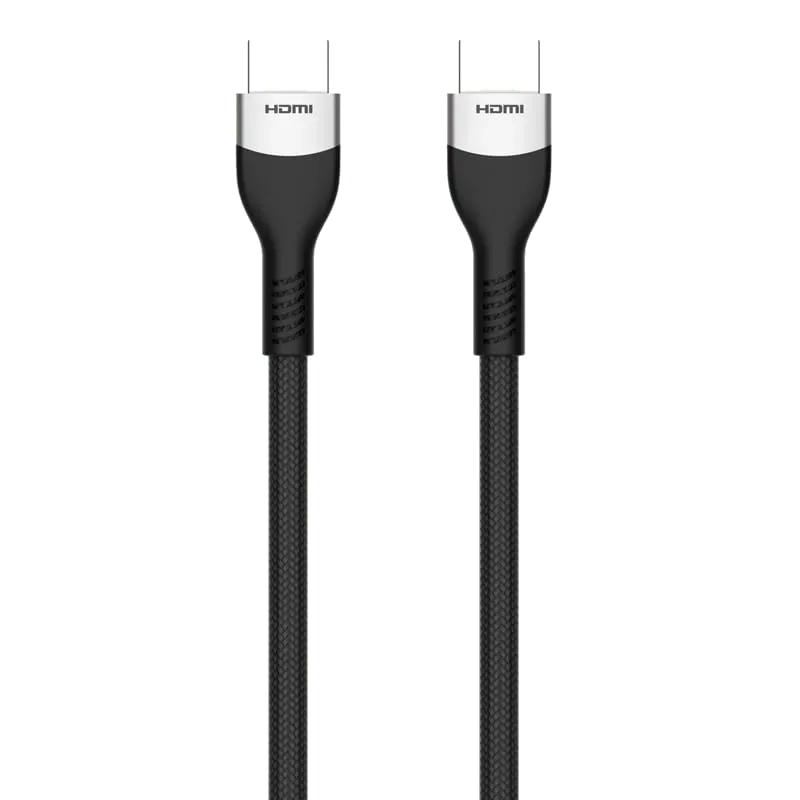 2026-07-24 HDMI Cable Buyer's FAQ Answers to the HDMI questions procurement teams ask most: version vs. cable class, 4K and 8K support, certification, and how to choose the right HDMI cable to specify.
 - 2026-07-24 USB-C and USB4 Cable FAQ for Buyers Common buyer questions about USB-C and USB4 cables — speed and power ratings, certification, cable length limits, and how to specify the right cable for your order.
-
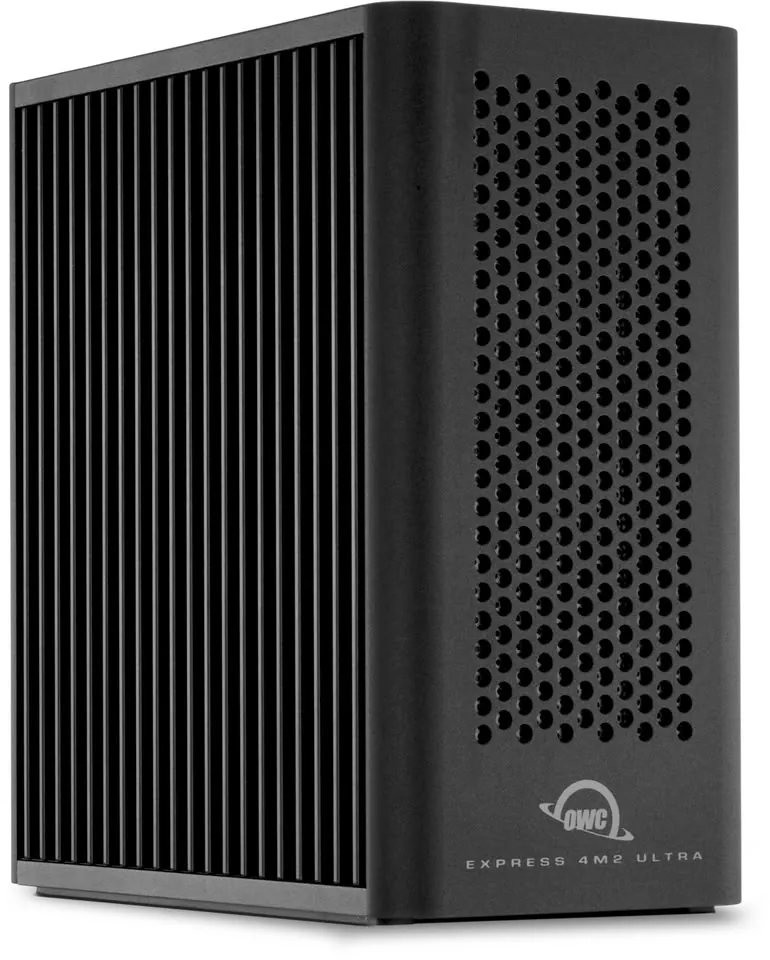 2026-07-23 OWC Announces OWC Express 4M2 Ultra Thunderbolt 5 NVMe RAID Solution OWC has announced a Thunderbolt 5 NVMe RAID enclosure. Thunderbolt 5 runs 80Gbps in both directions, and up to 120Gbps one way — rates at which the cable stops being an accessory and becomes part of the specification.
 -
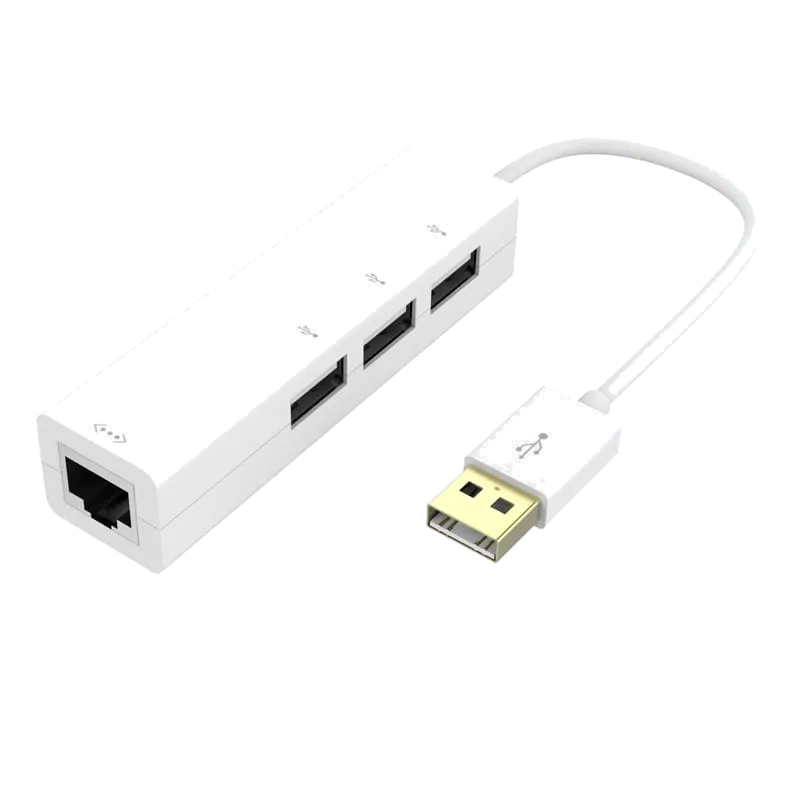 2026-07-19 How to Choose USB Hubs & Docking Adapters: A B2B Sourcing Guide Tonetron manufactures certified USB-C and USB-A hubs with 480Mbps–5Gbps speeds, Gigabit Ethernet, HDMI, VGA, and up to 60W Power Delivery. Learn how to select the right hub for your application, sourcing requirements, and customization needs.
 - 2026-07-19 How to Choose HDMI Cables: A B2B Sourcing Guide Select the right HDMI cable for your application by understanding bandwidth, resolution support, connector types, and cable construction. Tonetron manufactures certified HDMI 8K and 4K cables for OEM/ODM distribution worldwide.
-
 2026-07-15 How to Choose Single Port Adapters: A B2B Sourcing Guide Single port adapters convert one video or display connector type to another, enabling legacy and modern devices to work together. This guide compares HDMI, DisplayPort and Mini DisplayPort adapter options from Tonetron to help you select the right model for your application, resolution needs and budget.
 -
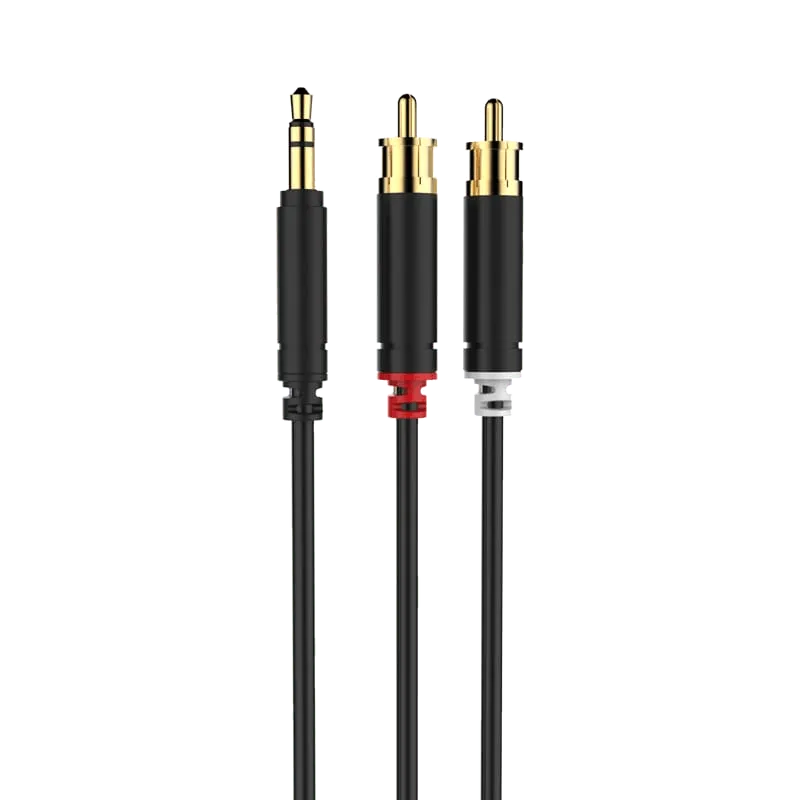 2026-07-15 How to Choose RCA Cables: A B2B Sourcing Guide Learn how to select the right RCA cable configuration, connector quality, and cable material for audio distribution. Tonetron supplies certified RCA and 3.5mm audio cables for resellers and OEMs worldwide.
 -
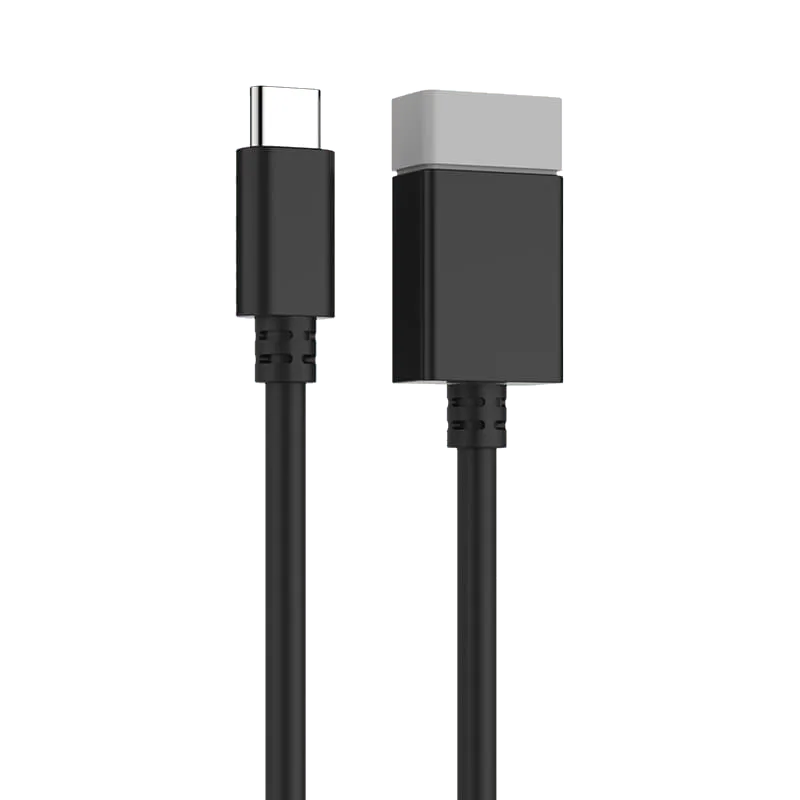 2026-07-15 How to Choose the Right USB-C Cable: Charging vs Data vs Video USB-C is one connector with very different cables behind it. This guide explains how to choose by power (USB Power Delivery up to 240W), data speed (480 Mbps to 40 Gbps), video output and the E-marker chip, with a comparison table and real specifications.
 - 2026-07-15 HDMI 2.0 vs 2.1 vs 2.2 — Bandwidth & Resolution Compared A side-by-side comparison of HDMI 2.0, HDMI 2.1 and the announced HDMI 2.2 specification — bandwidth, maximum resolution and refresh rate, feature differences, and what they mean when specifying and sourcing cables.
- 2026-07-15 B2B Cable Sourcing FAQ: MOQ, OEM/ODM, Certifications and Private-Label Packaging A practical FAQ for procurement teams sourcing HDMI, USB-C and custom cables directly from a factory in China — covering minimum order quantity, samples, OEM vs ODM, certification documents, private-label packaging and lead times.
-
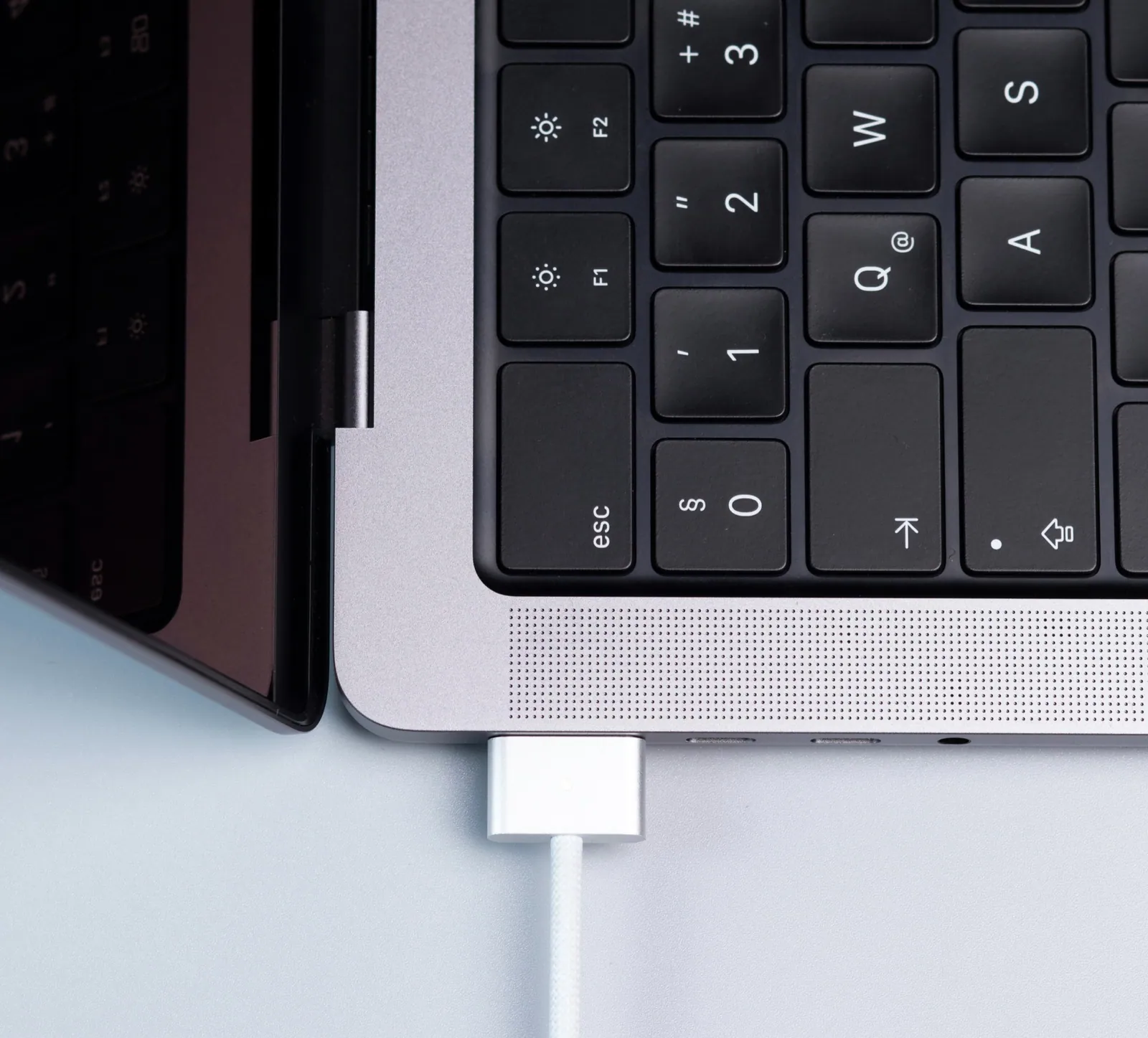 2026-07-13 A Free Mac App Reads What Your USB-C Cable Can Actually Do WhatCable is a free macOS app that shows the data rate and power profiles behind each USB-C port. It answers most everyday cable questions in seconds — and its one wrong reading explains exactly where software verification stops and measurement has to begin.
 -
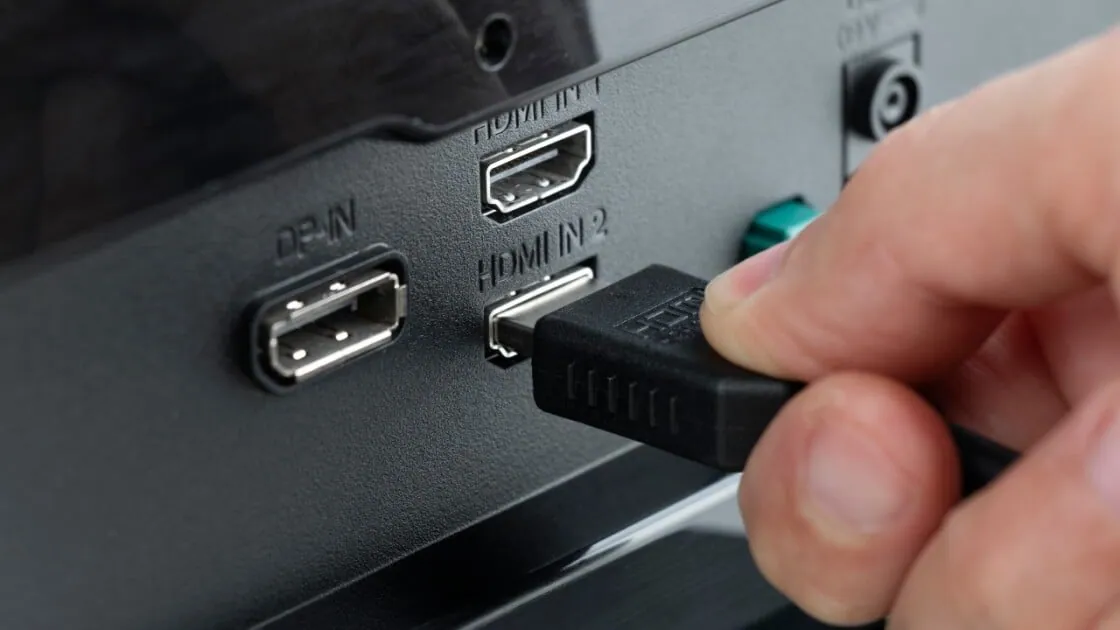 2026-07-10 HDMI vs DisplayPort: Which Should I Use for My PC Monitor? Almost every monitor has both ports, and for a PC the right one is usually DisplayPort: it carries Adaptive-Sync natively, runs the monitor's top refresh rate, and can daisy-chain. HDMI earns its place when a console, TV or soundbar shares the screen. Here is how to decide, and what to write on a cable spec.
 -
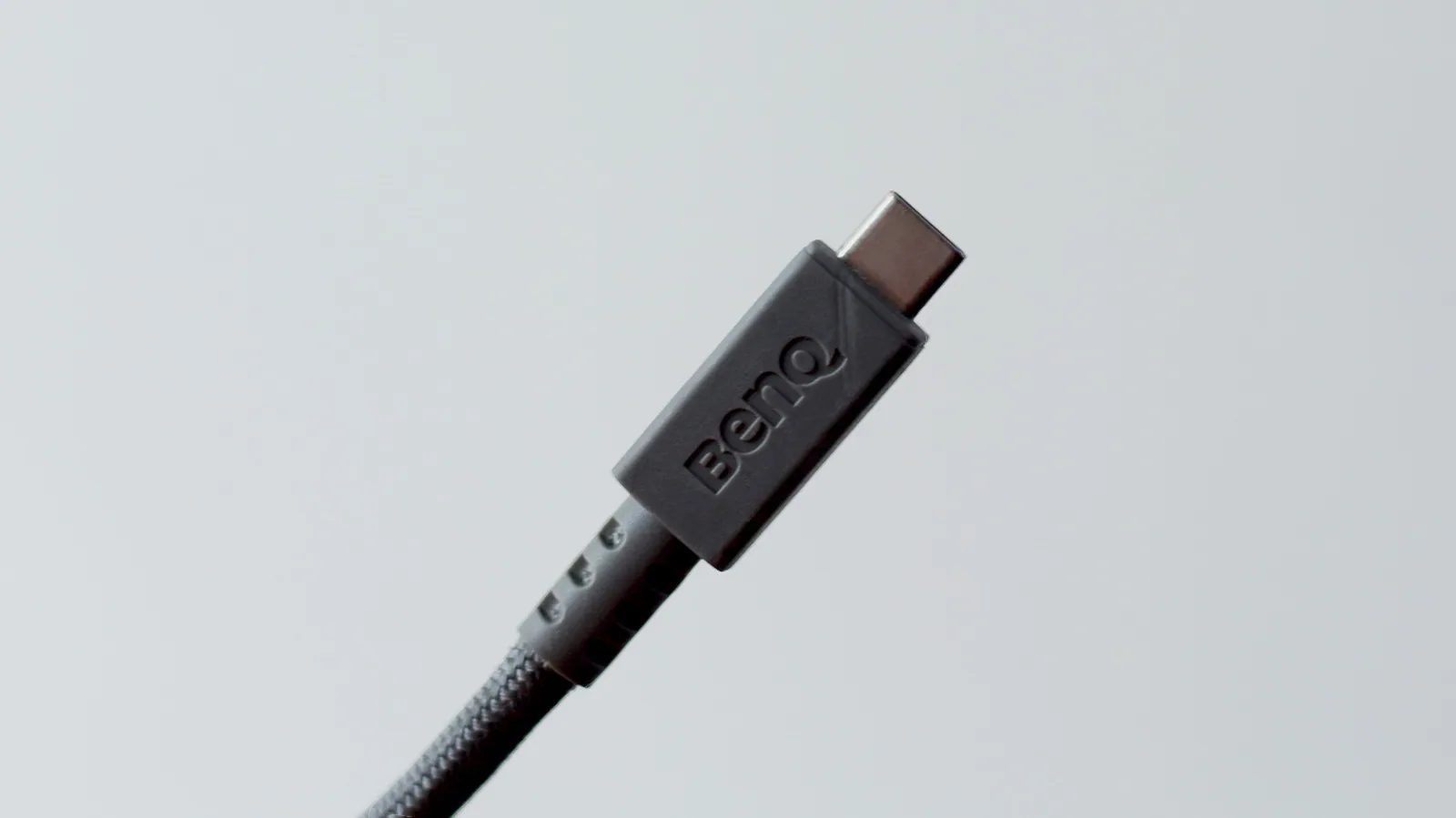 2026-07-06 USB4 Cables: When and Why It Is Worth Paying More A USB4 cable and a USB-C charging cable share a connector and almost nothing else: four high-speed lanes, controlled impedance, an eMarker and a strict passive length limit are what the price pays for. Here is when a cheap cable is the right buy, when only USB4 40Gbps or 80Gbps will work, and what a purchasing specification should say.
 -
 2026-07-06 A USB-C Port Isn't a Guarantee of High Speeds: Here's Why The same USB-C socket can be a 480 Mbps USB 2.0 port or an 80 Gbps USB4 one, and nothing on the laptop tells you which. Here is what the host port silently decides, why the slowest of three links always wins, and how to find out what yours actually does.
 -
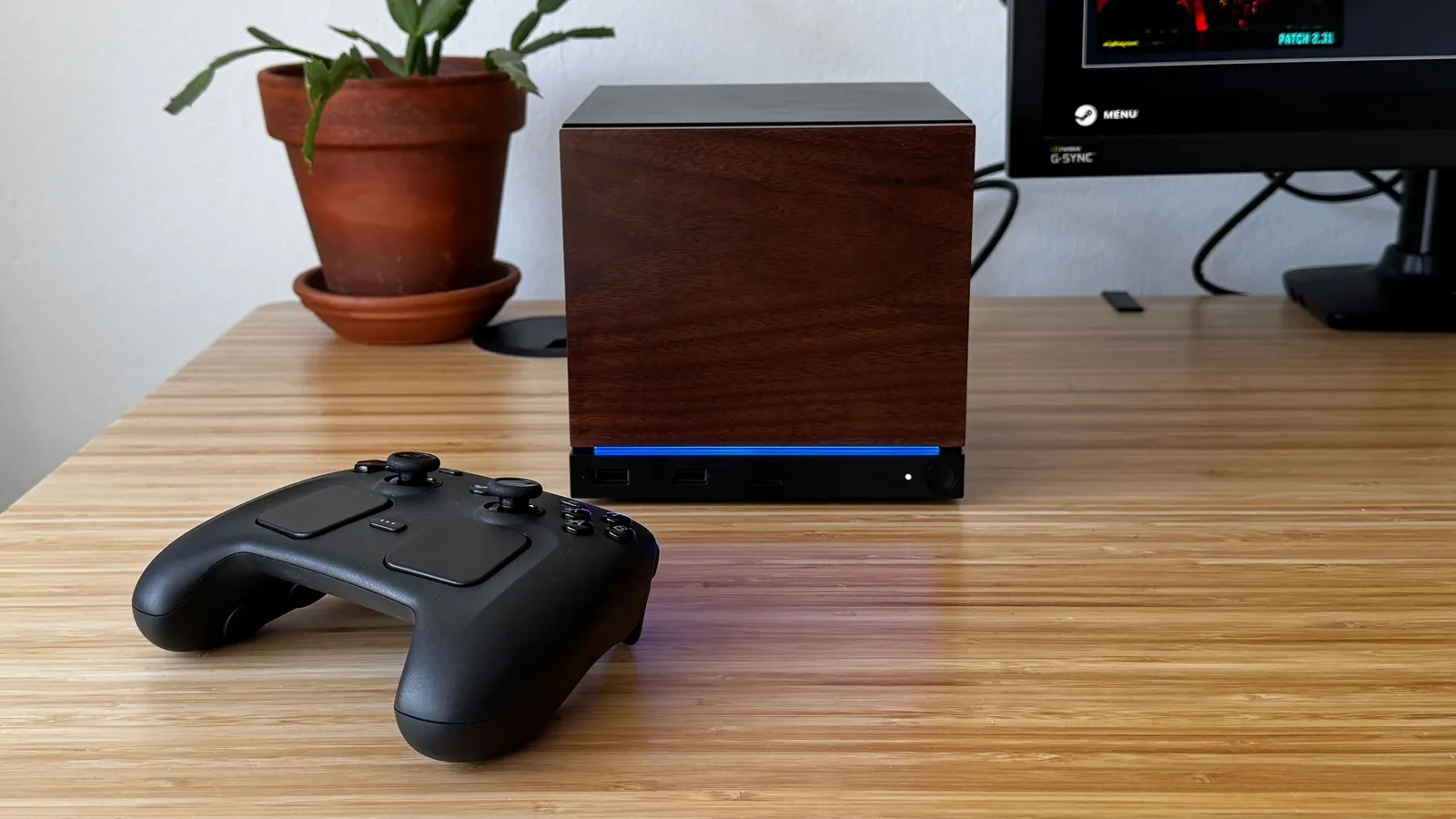 2026-07-04 50-feet-long fiber optic HDMI cable and Steam Controller 2 is enthusiasts' answer to the Steam Machine — dismisses Valve's new console for a DIY Bazzite setup with a controller Enthusiasts running a PC in one room and a screen in another reach for 50-foot fibre optic HDMI. That length is not a bigger version of a normal cable — it is a different product, with rules about power and direction that catch people out.
 -
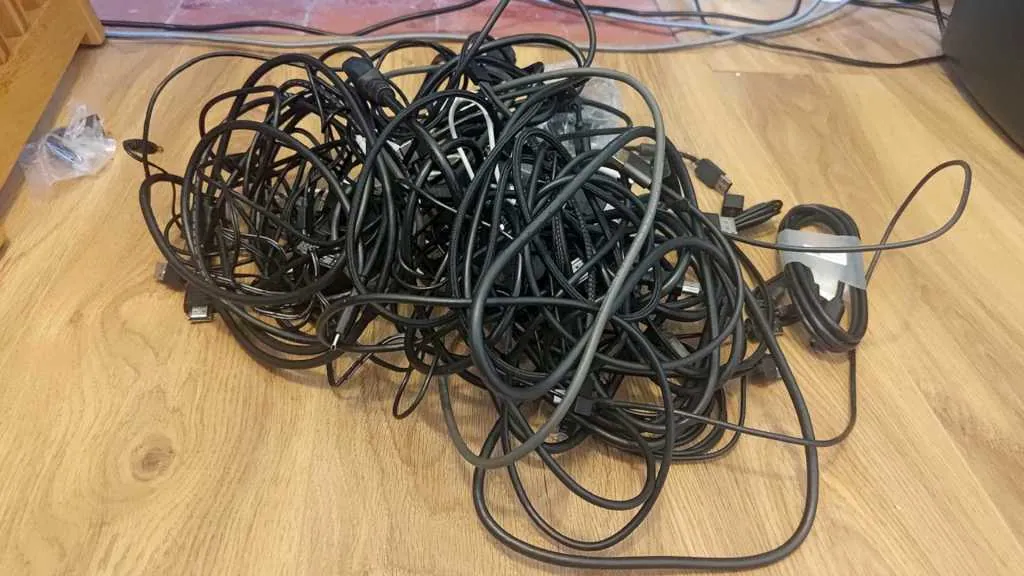 2026-07-03 I Tested Every USB-C Cable I Own. Half Weren't Worth Keeping A $50 cable tester turned a drawer of identical-looking USB-C cables into a pass-fail list, and half of them failed. Here are the four failure modes it catches, what it still cannot see, and how incoming inspection at a cable plant differs from an audit at a desk.
 -
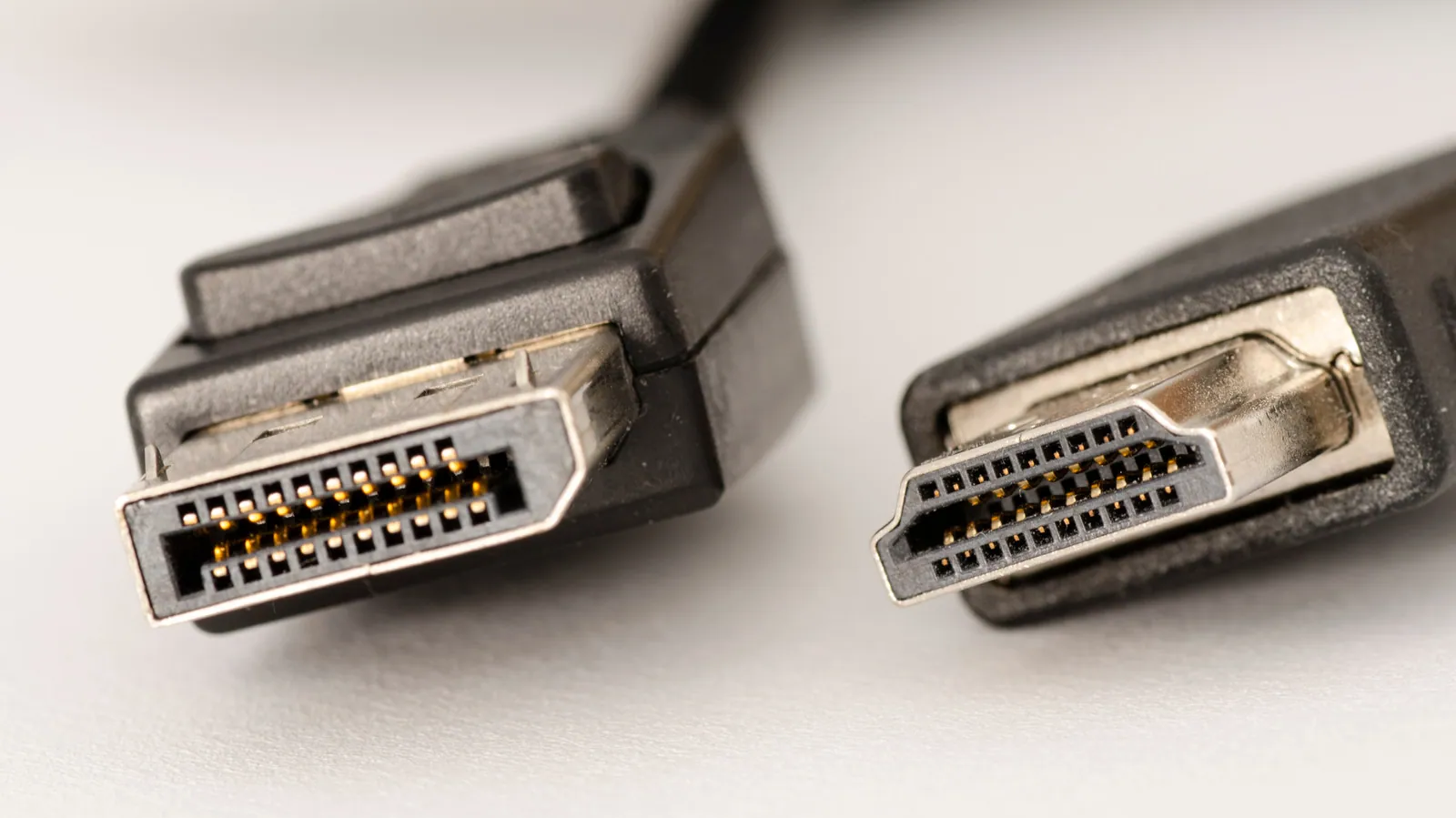 2026-07-02 HDMI vs USB-C vs DisplayPort: Which Is Better for Monitors? A monitor usually ships with two different video cables, and the port you pick changes what the screen can actually do. This compares HDMI, DisplayPort and USB-C on bandwidth, refresh rate, daisy-chaining and power delivery, and says which to specify for media, for gaming and for a single-cable desk setup.
 -
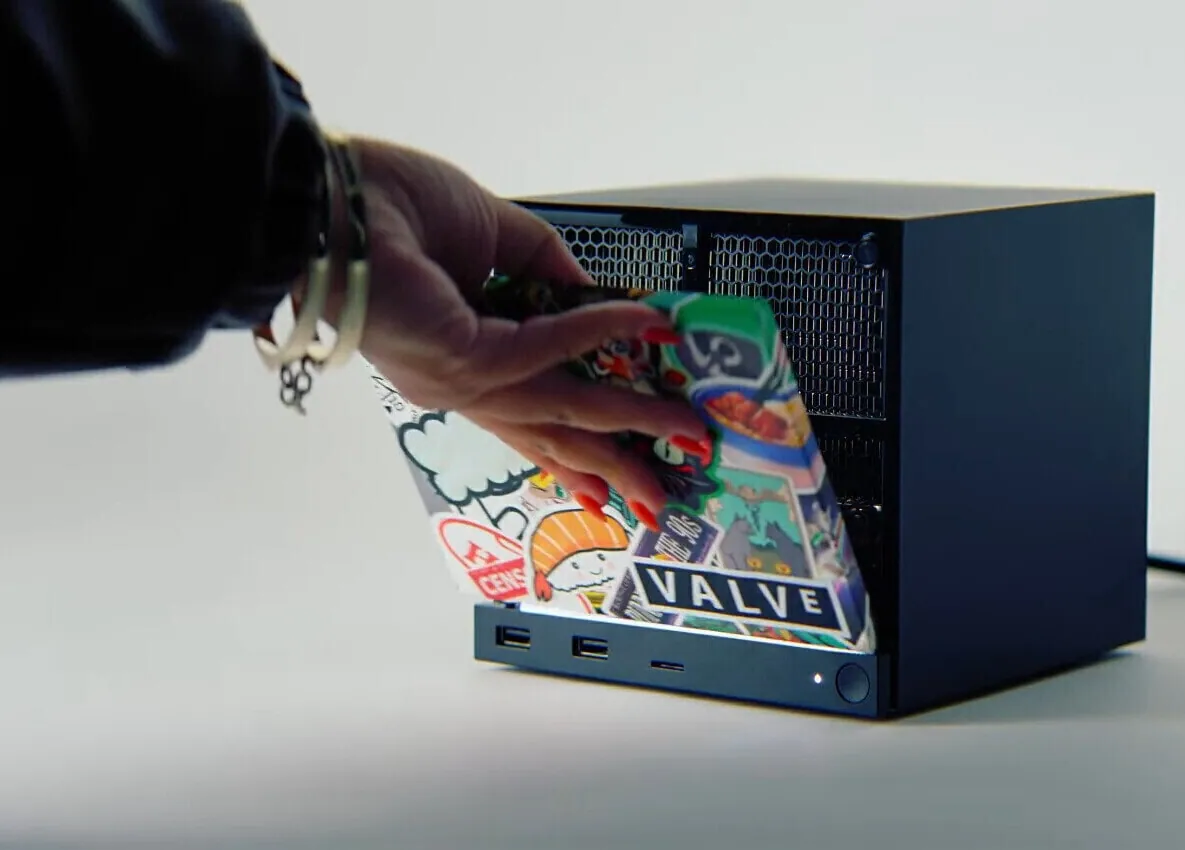 2026-06-26 Steam Machine Gets 4K 240 Hz Support With HDMI 2.1 Support Finalized Valve has finalised HDMI 2.1 support on Linux and quotes 4K at 240Hz for the Steam Machine. That figure only fits down an HDMI cable under specific conditions — here is the arithmetic, and what it means for the cable you specify.
 -
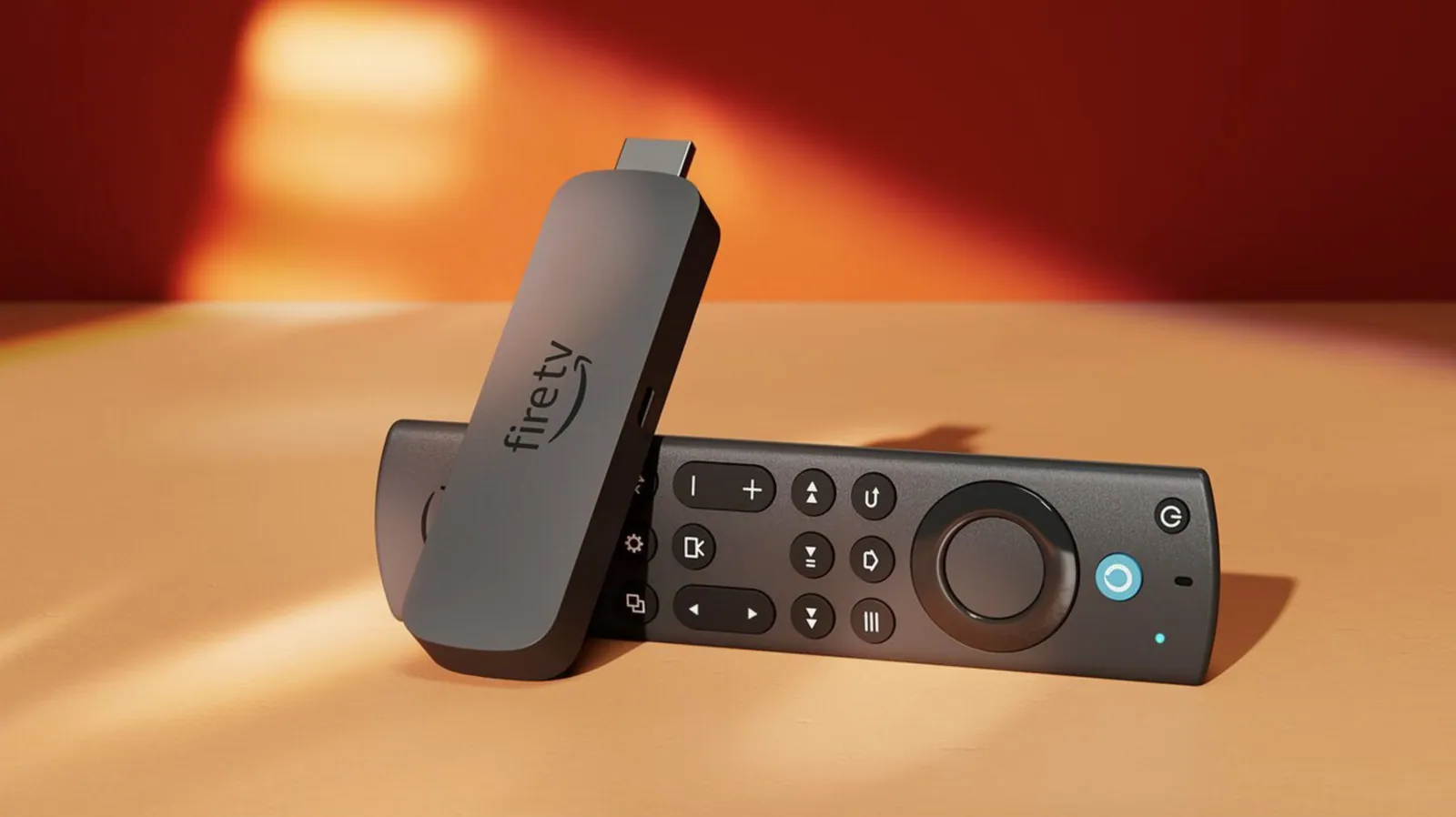 2026-06-25 Which HDMI Port Should You Use? A Guide to TV and Monitor Inputs The HDMI inputs on a TV or monitor are not equal: usually only one or two carry the full 48 Gbps, one is the eARC port for a soundbar, and the rest are capped at 18 Gbps. This guide explains how to identify the fast port, what to plug where, why a streaming stick works in any input, and when the cable becomes the limit.
 -
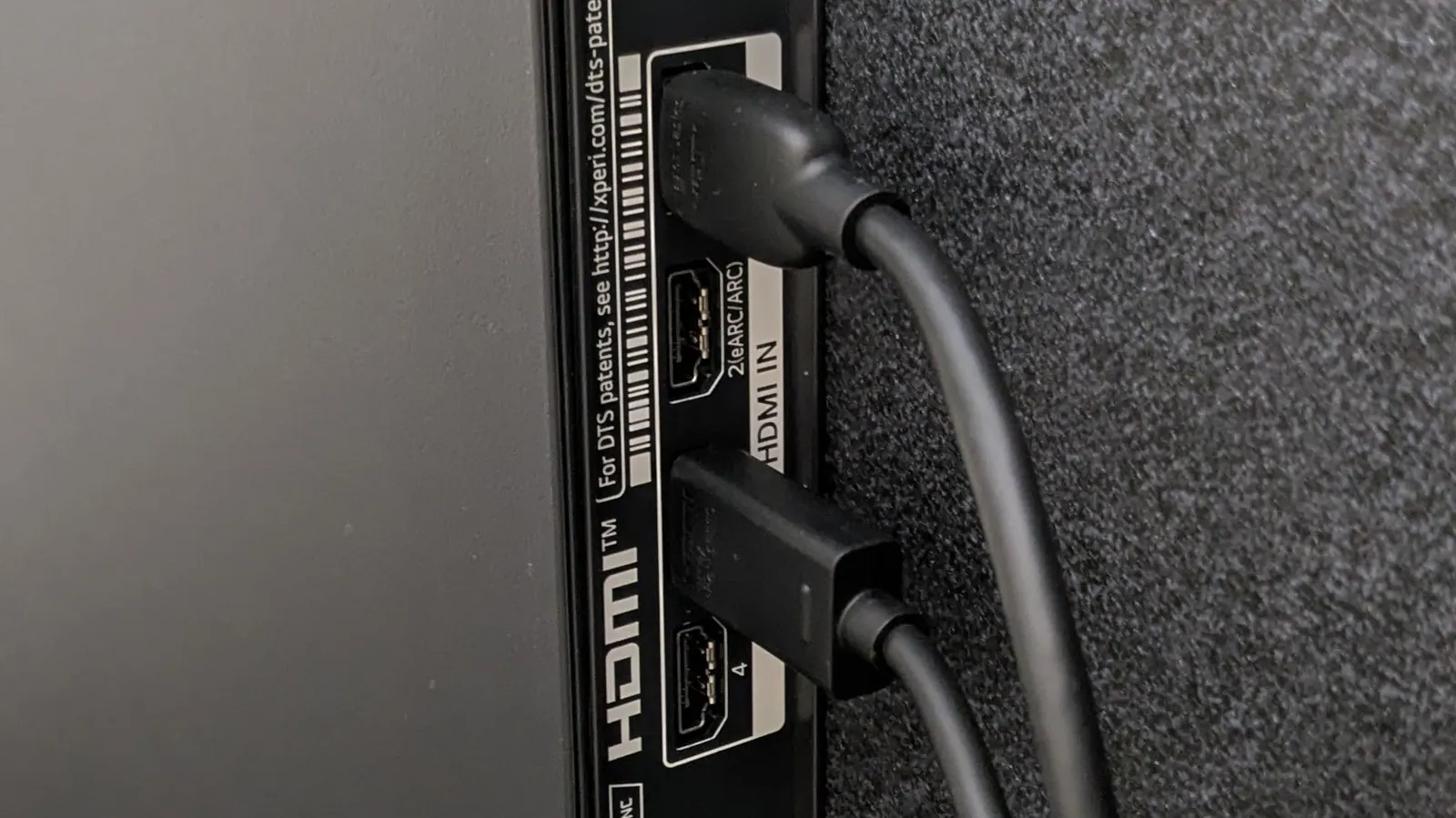 2026-06-17 'We should start to see 96 gigabit HDMI 2.2 products next year': Next-gen HDMI is set to arrive in 2027, says its licensing president — here's what it means for PC gaming, TVs and home theater The HDMI Licensing president expects 96Gbps HDMI 2.2 products to appear in 2027. For anyone specifying cable today the useful question is not when the standard arrives but which of your products will still be correct when it does.
 -
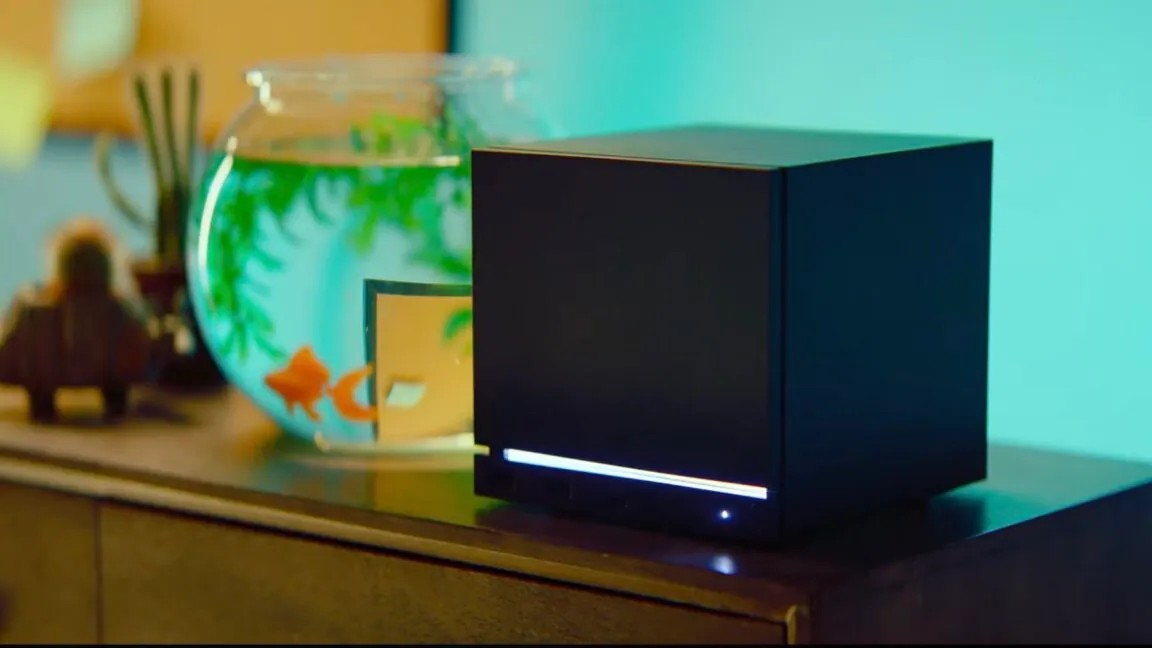 2026-05-04 AMD is adding HDMI 2.1 support for Linux. That’s good news for the Steam Machine. After the HDMI Forum blocked an open-source implementation in 2024, AMD has landed Fixed Rate Link support in the Linux kernel. FRL is the signalling change that made 48Gbps possible — and the reason cable quality started to matter far more than it used to.
 -
 2026-04-08 USB Type-C® Cable and Connector Specification Release 2.5 - USB-IF The USB Type-C specification decides what a cable must contain before it can carry 5 A or 40 Gbps — not what the label claims. This is what the eMarker rule actually demands, why a charger silently drops to 60 W, and what to ask a supplier for.
 -
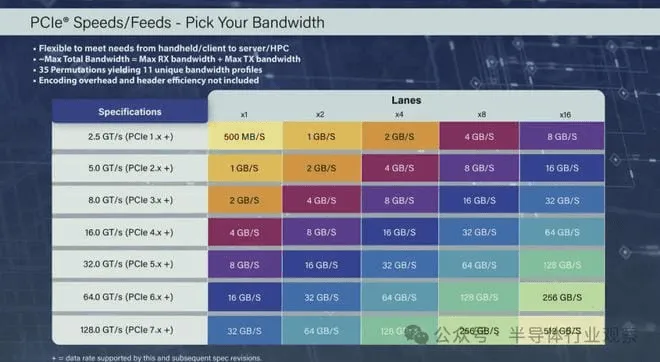 2025-06-12 PCIe 7.0: New Version Released PCI-SIG released v0.5 of the PCIe 7.0 specification, on track for a 2025 final version. PCIe 7.0 doubles per-pin speed to 128 GT/s (512 GB/s bidirectional x16) using PAM4, retains FLIT and FEC, and pushes the physical layer to ~32GHz. PCI-SIG is also developing copper cabling specs and an Optical Working Group for PCIe over fiber.
 -
 2025-01-01 Introduction to HDMI 2.2 Launched by the HDMI Forum at CES 2025, HDMI 2.2 doubles bandwidth to 96 Gbps, supporting up to 4K@480Hz, 8K@240Hz and 10K@120Hz. It adds the Latency Indication Protocol (LIP) for audio-video sync and introduces the certified Ultra96 HDMI cable.
 -
 2024-11-05 Full-Function USB-C Data Cables for New Energy Vehicles: Screen Mirroring and Charging in One A full-function USB-C cable enables simultaneous screen mirroring and charging in new energy vehicles. It supports CarPlay, HiCar, CarWith and more across many car brands, uses a smart shunting chip with dual-channel independent control, delivers up to 120W PD charging, and offers durable, stable performance.
 -
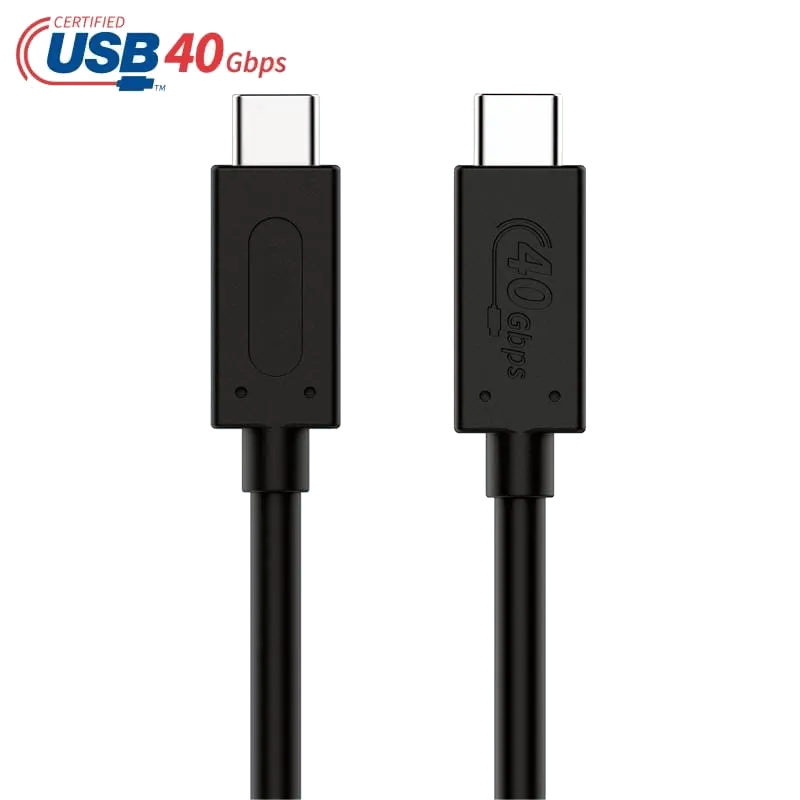 2024-03-18 USB4 Gen4 Type-C 80Gbps: A Revolutionary Data Transfer Technology Announced by USB-IF in 2022 as USB4 2.0, USB4 Gen4 Type-C delivers up to 80 Gbps via Type-C cables using PAM3 encoding, supports asymmetric 120/40 Gbps for DisplayPort 2.1 displays, is backward-compatible with prior USB and Thunderbolt 3, and serves gaming, content creation and data centers.
 - 2023-05-30 USB-C 240W Fast Charging: Revolutionizing the Charging Experience USB-C 240W (PD 3.1) fast charging dramatically cuts charging time. realme's GT Neo5 was the first mass-produced 240W phone in 2023. The article covers GaN chargers, 21AWG cables, PD chips (Infineon EZ-PD PMG1-B2, Leadtrend LD6618), plus advantages, challenges and trends.
-
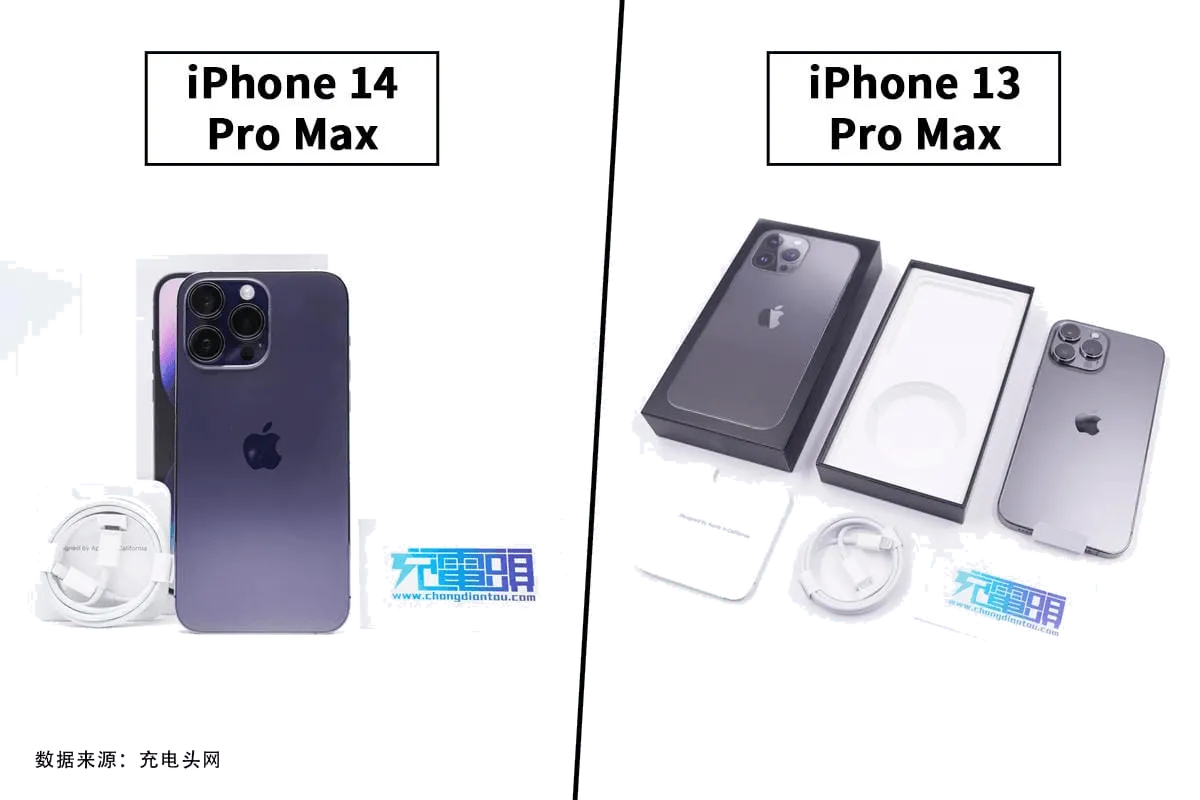 2022-09-01 Charging Comparison of the iPhone 14 Pro Max and iPhone 13 Pro Max A hands-on comparison of fast charging on the iPhone 14 Pro Max and iPhone 13 Pro Max. Both support around 27W peak, and a 20W charger is not enough for either; a 30W–35W charger offers the most cost-effective charging experience.
 -
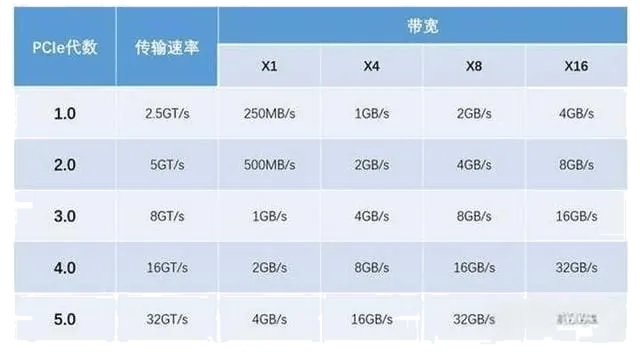 2021-09-22 What Are the Advantages of PCIe 4.0 Solid-State Drives? While PCIe 7.0 (512 GB/s bidirectional x16) targets high-end fields, PCIe 4.0 is more than enough for consumers. PCIe 4.0 x4 reaches ~7.88 GB/s versus PCIe 3.0 x4's ~3938 MB/s, offering faster sequential and 4K random read/write, M.2 compatibility and longer life.
 -
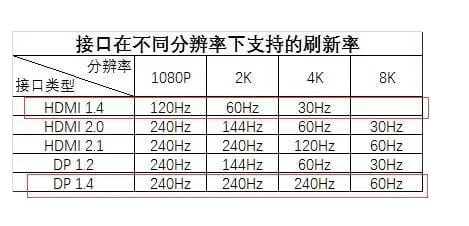 2021-03-10 Differences Between HDMI and DisplayPort (DP) Versions HDMI is led by TV makers and requires a licensing fee, while DisplayPort is developed by a PC/chip consortium and is royalty-free. This article compares bandwidth and supported resolutions across HDMI 1.4/2.0/2.1 and DP 1.0/1.2/1.4, plus where each is used.
 -
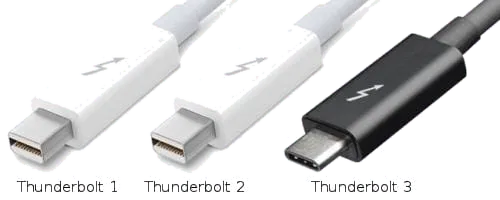 2020-07-08 Intel Releases Thunderbolt 4: Differences Between Thunderbolt 3 and Thunderbolt 4 Thunderbolt, co-developed by Intel and Apple, keeps the 40 Gbps bandwidth of Thunderbolt 3 in Thunderbolt 4 but upgrades minimum requirements: dual 4K (or single 8K) display support, 32 Gbps PCIe data, Intel VT-d DMA protection, and sleep-wake via dock keyboard/mouse.
 -
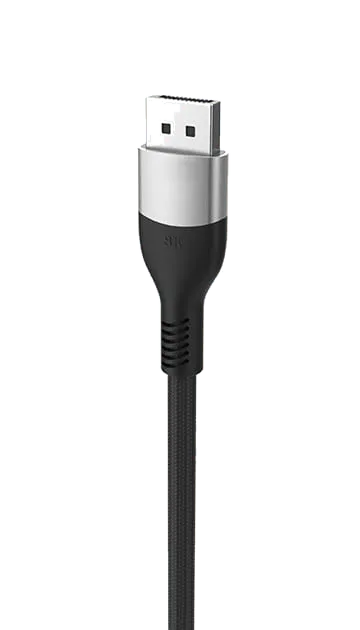 2020-07-08 About DisplayPort Technology DisplayPort is a royalty-free digital video interface promoted by VESA (scheduled for May 2006) to replace VGA, DVI and FPD-Link. It uses packet-based micro-packet transmission, carries audio and video, and supports up to four data lanes at 1.62/2.7/5.4 Gbit/s.
 -
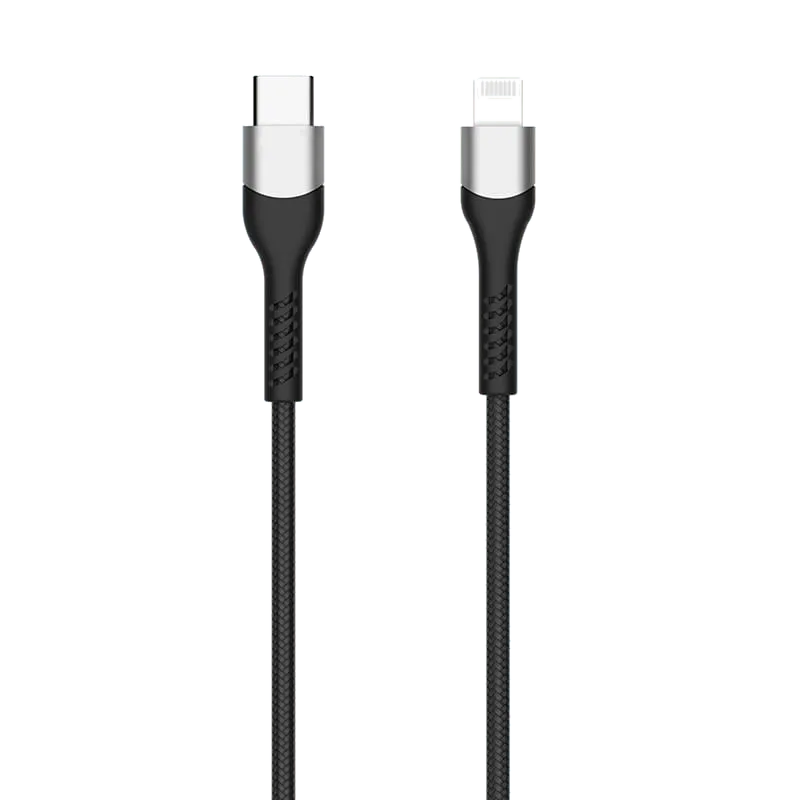 2020-05-12 What Is an MFi License? Apple's MFi ("Made for iPhone/iPod/iPad") certification licenses authorized accessory makers to use Apple's logo. With a pass rate of only about 2%, it signals quality, compatibility and adherence to Apple's strict supplier code of conduct.
 -
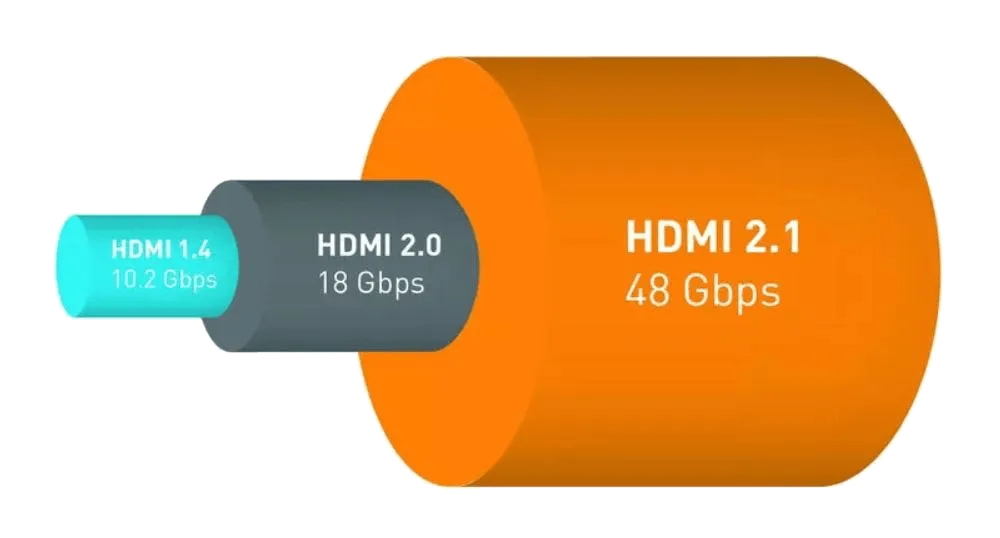 2019-03-15 What Is HDMI 2.1? Find Out What's New in HDMI 2.1 HDMI 2.1, first released in November 2017, is the most significant upgrade to the HDMI standard, raising bandwidth to 48 Gbps (2.67x that of HDMI 2.0) and adding dynamic HDR, eARC, VRR, QFT, ALLM, QMS and DSC 1.2a support for up to 10K resolution.
 -
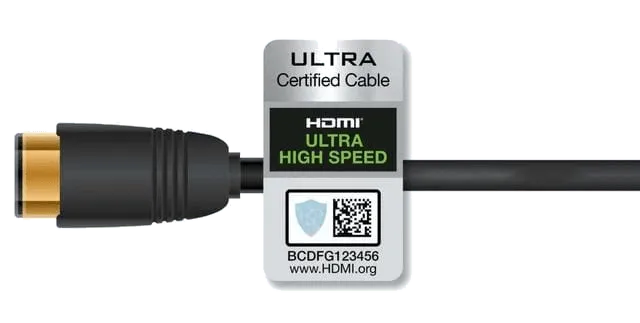 2017-11-28 HDMI Inc. Releases HDMI 2.1 An overview of the HDMI 2.1 standard released by HDMI Inc.: 48 Gbps bandwidth (2.67x HDMI 2.0), support for up to 10K@120fps, dynamic HDR, eARC, VRR, QFT, ALLM and DSC 1.2a.