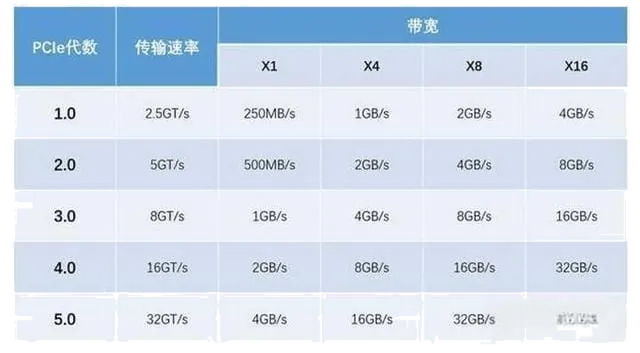
PCI-SIG released the PCIe 7.0 specification to members on June 11, 2025. Its PCIe 7.0 FAQ lists a raw data rate of 128.0 GT/s and up to 512 GB/s aggregate bidirectional bandwidth for x16; these are interface capabilities, not measured SSD throughput. The specification targets data-intensive markets and emerging applications such as data centers, AI and cloud computing. A specification release does not establish adoption by a particular shipping product. For a consumer SSD, check host compatibility and measured performance for the intended workload rather than treating PCIe 4.0 as sufficient for every use.
PCI-SIG specifies PCIe 4.0 at 16 GT/s, doubling link bandwidth relative to PCIe 3.0. Interface bandwidth is not a measured SSD read or write speed. Compare specific drive models and capacities using manufacturer specifications and workload tests; record the host’s negotiated PCIe generation and lane count, workload, test settings and temperature. Entry-level or flagship labels alone do not establish which drive is faster.
PCIe generation alone does not establish SSD compatibility, random-I/O performance or endurance. Check the selected drive’s physical form factor, keying and host protocol support; fitting an M.2 socket is not sufficient, as the Kingston SSD FAQ explains. Compare sequential throughput and 4K random IOPS for the specific model and capacity under stated test conditions. For endurance, check that model and capacity’s manufacturer-rated TBW and warranty terms instead of assuming PCIe 4.0 lasts longer; the Kingston KC3000 data sheet, for example, lists performance and TBW by capacity.
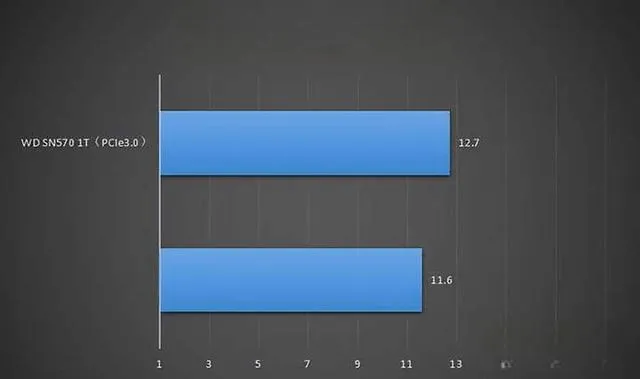
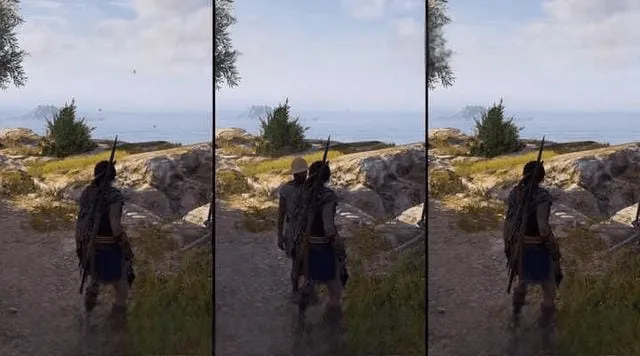
Game loading results cannot be inferred from PCIe generation alone. Microsoft DirectStorage documentation explains that asset transfer and decompression contribute to loading time, with results varying by workload and hardware. Compare the selected SSD model and capacity in the same game version and loading scenario, recording the host configuration, operating system and cache state. Neither a universally noticeable advantage over SATA nor an imperceptible difference between PCIe 3.0 and 4.0 is established without those tests; an interface label does not guarantee a satisfactory gaming experience.